We started with a question, and we're still answering it.
What if the tools an AI studio needed to make films could also run a small business? We spent three years finding out. Turns out: yes, and rather well. This is the story of how a film collective accidentally became a software company — and why that's exactly the right background for building agents that ship real work for real humans.
We met on a film. The usual way: a friend-of-a-friend Discord, a half-written script, an absurd deadline. Mickaël had the camera eye and the ear — years in luxury hospitality taught him a voice on the line is a promise of something warmer. Kateryna had the production brain and the taste. Jens had the question that kept us honest: who pays for this? Nobody was paying us. We built what we needed.
The first pipeline came together in a week. Whisper for transcription, Midjourney for stills, Veo for motion, ElevenLabs for voice, Claude for orchestration. A short film called Night Operator was the first thing it produced. It played at festivals. We kept building.
“We didn’t set out to build a business. We set out to make films that didn’t exist yet. The agents came out of solving the same problem twelve different ways.”
Here’s the insight that turned AVA Pictures into AVA Digital: the hard problems on a generative film and the hard problems in a small business are the same problems. Memory across sessions. Voice that sounds like a real person. A pipeline that doesn’t collapse when one tool changes.
So when a dental clinic in Germany asked us whether their front desk could be a voice agent in three languages, we already had the parts. Lucy, Intake, Beacon, and Codec are what we did with that realization.
Three of us. One idea at a time, done well.
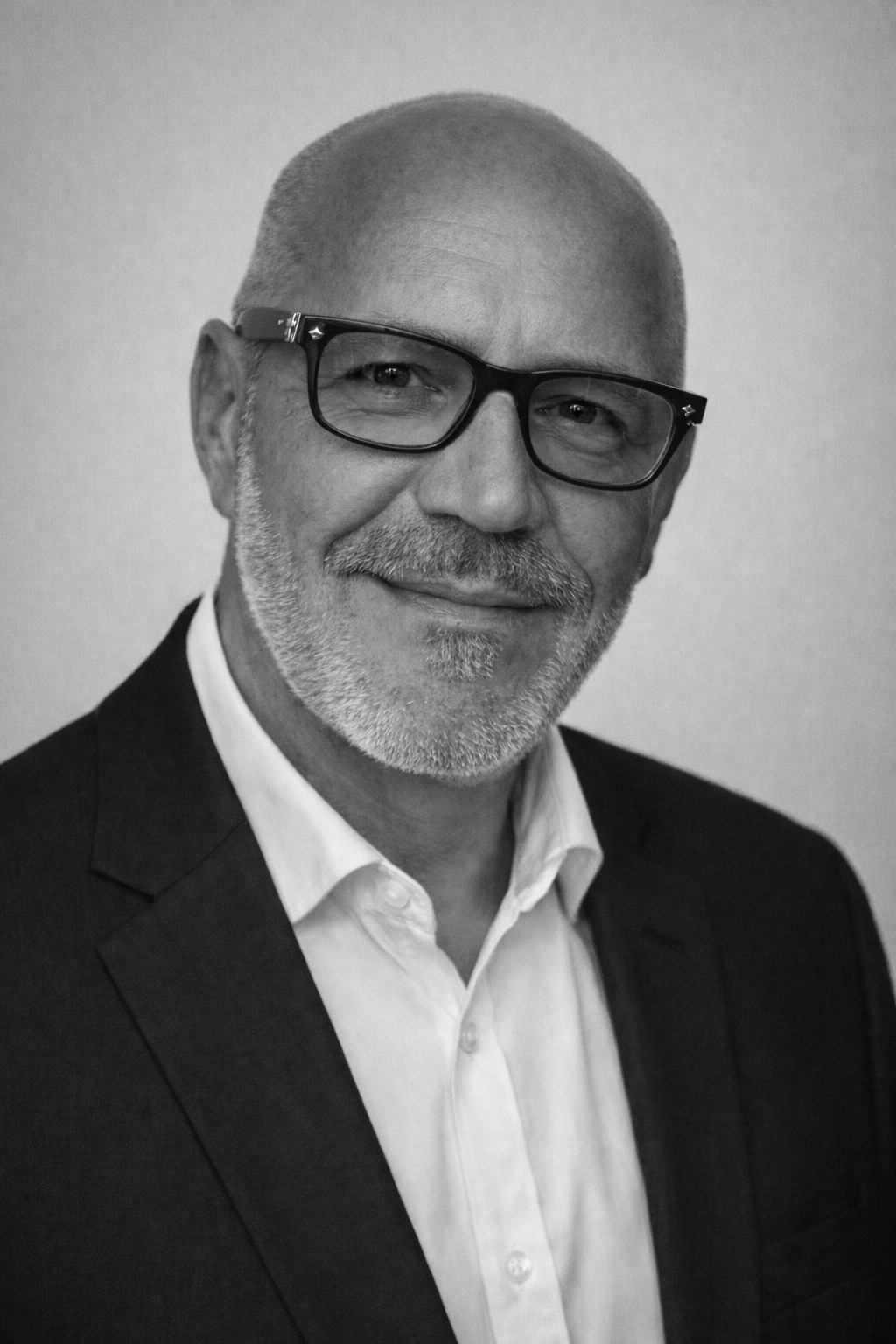 Jens G.
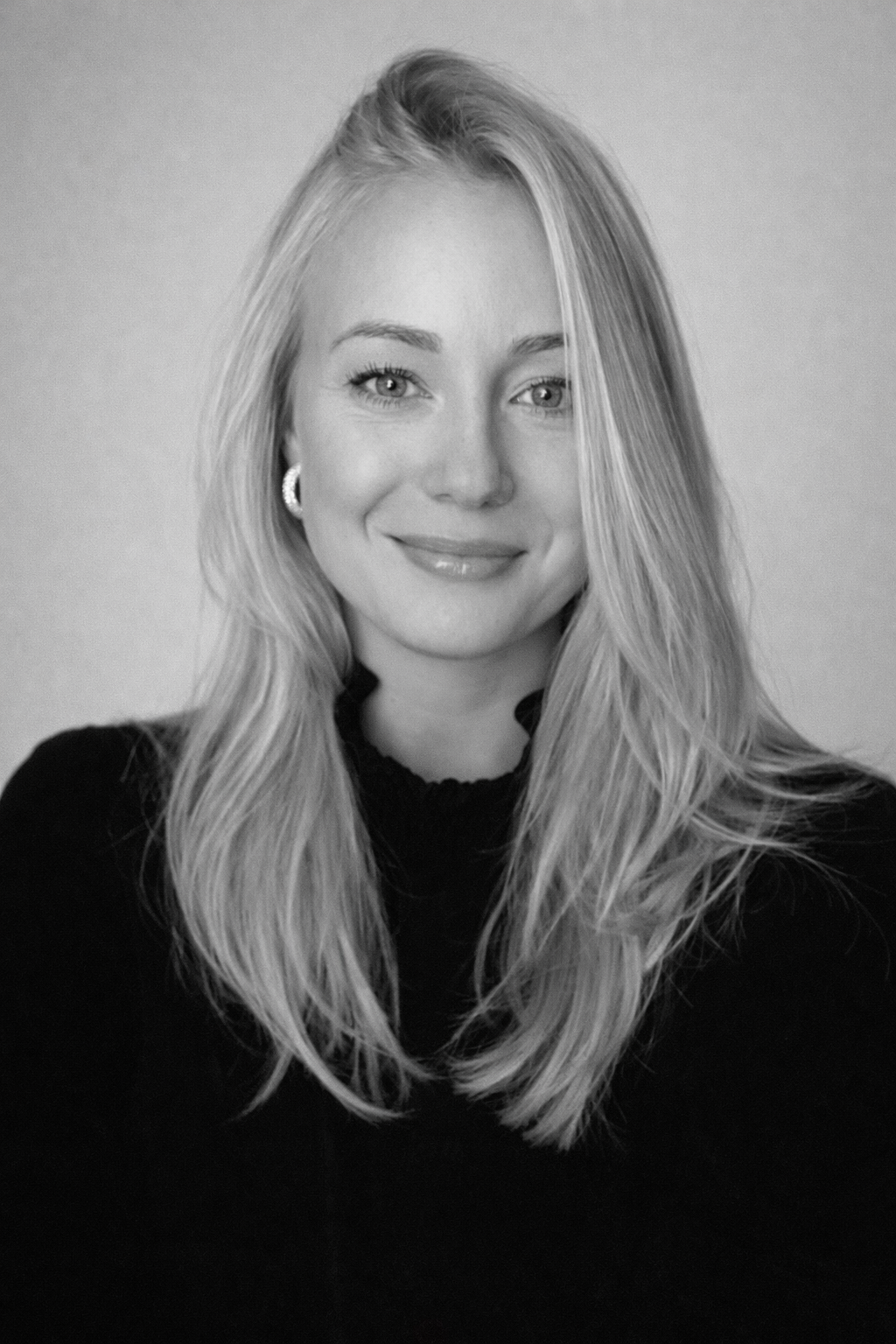 Kateryna F.
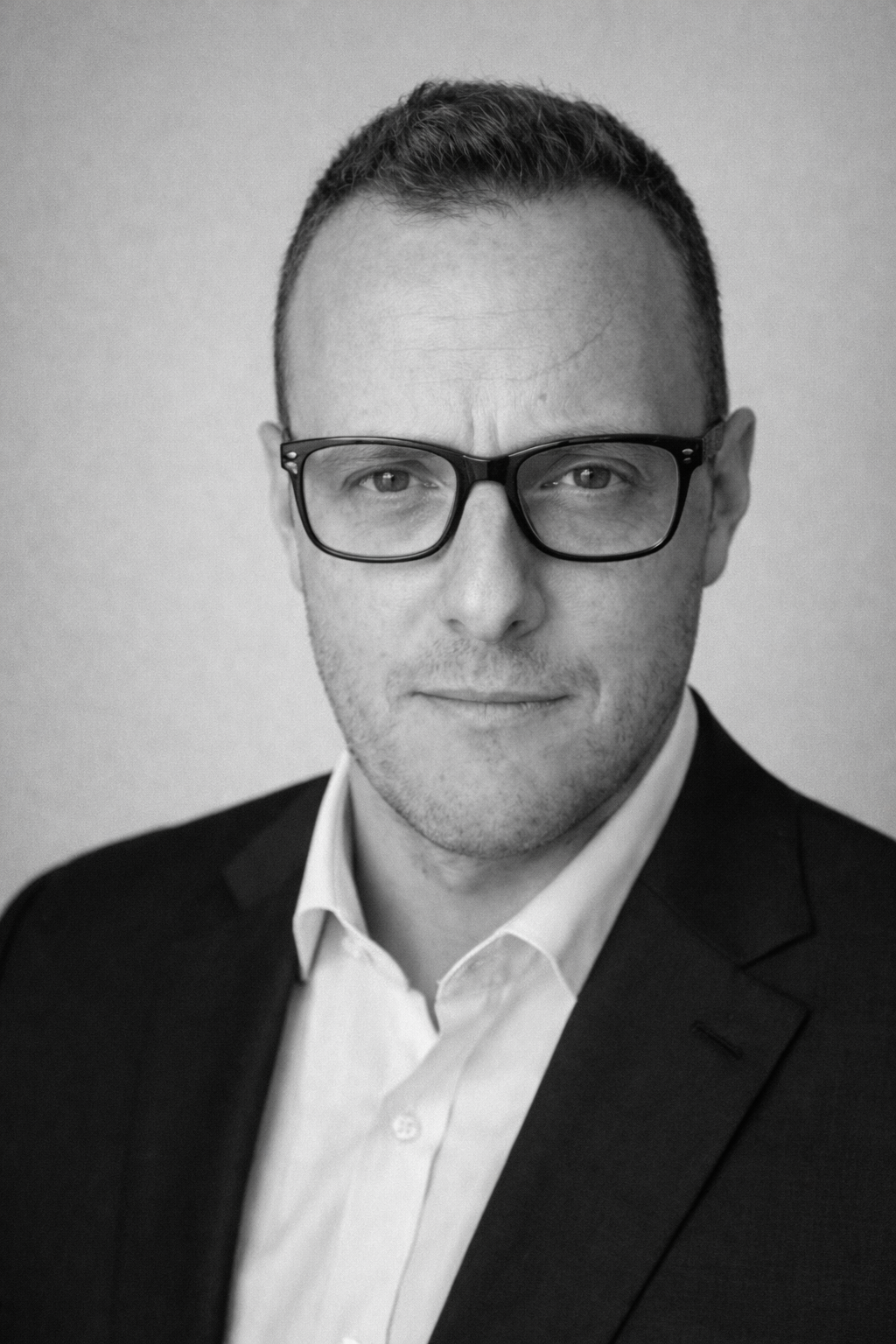 Mickaël F.
Four ideas we keep coming back to.
Tools outlive the project they were built for.
Every AVA product started as a fix for something on a film. The compositor became a pipeline. The pipeline became Codec. Build the thing you need; keep it; share it.
Voice is a promise.
When an agent answers in your company's tone, it's not a UI — it's a contract. We spend unreasonable amounts of time on how things sound because every call is the whole brand for someone.
Small businesses deserve the same tools enterprises do.
The big firms get Palantir. The corner clinic gets a phone tree. We're fixing that asymmetry, one retainer-drafting agent at a time.
Open-source is a forcing function.
Codec is MIT because it has to be good enough that somebody else wants to ship it. Anything less is marketing. We'd rather lose customers than hide the engine.
Three years.
Here's what happened.
Night Operator, Seventeen Summers, The Cartographer’s Room. Three short films, four festival selections in the first six months. Built with an internal pipeline we hadn’t named yet.
The pipeline gets a folder, a license (MIT), and a versioned repo. Mickaël pushes the first commit and registers opencodec.org.
A 14:30 sci-fi pilot built for Chroma Awards 2025. Original story, original score, persistent characters, full pipeline production in three months. Proof the toolchain scales past short films.
A dental clinic in Germany asks for a 24/7 receptionist that speaks DE/EN. Then a hospitality group in Marbella. Then a real-estate showcase in Paros. Internal tools start working for somebody else’s business.
Wyoming. Three founders, one client, fourteen months of receipts, a working product. Kateryna registers the .ai domain from a coffee shop.
Lucy. Intake. Beacon. Codec. Plus four creative services: websites, branding, filmmaking, personas. The two sides of one studio.
A handful of clients at a time. Discounted 3-, 6- or 12-month retainer plans, no lock-in. Pricing transparent on the page. We take on the work we can ship cleanly — not the work we can sell.
We'd rather work with you
than tell you about ourselves.
That's the end of the story part. If you want to put us to work — or just see if we're the right kind of people for what you're doing — we're a call away.
Book a Discovery Call